9
Jun
Hypnosis Show or Mentalism Show: Which One Actually Fits Your Audience?
Hypnosis Show Or Mentalism Show: Which Is Right For Your Audience?
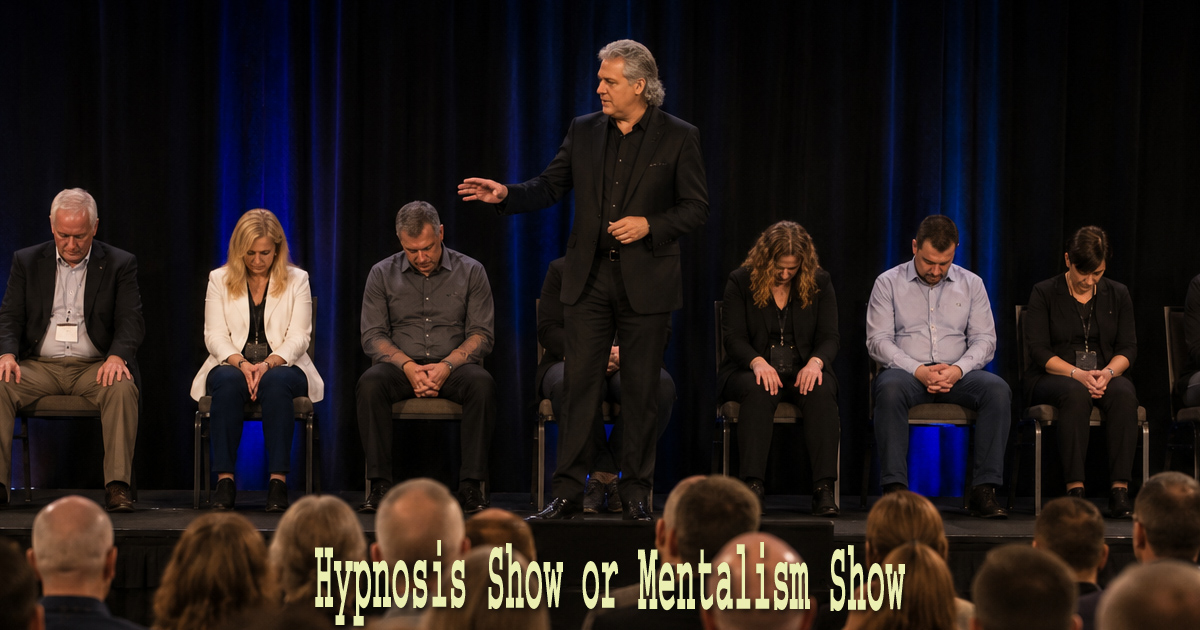
Hypnosis Show or Mentalism Show: One show changes the whole evening.
Many event planners know they want interactive entertainment but are unsure which type of performance best fits their audience. It is a reasonable question, and one I am asked regularly. Two of the most popular options in live corporate entertainment are hypnosis show or mentalism show. While both create experiences guests remember long after the event ends, they work very differently in a room. Understanding those differences makes the selection process considerably easier.
After more than two decades presenting both programs for corporate events, association meetings, colleges, and private engagements across the country, I can tell you that the right choice almost always comes down to one thing. The audience.
What Is A Hypnosis Show?
A hypnosis show is a participation-driven performance built around audience volunteers. Guests are invited on stage, guided into a state of focused relaxation, and then given a series of entertaining suggestions that produce genuinely surprising and often hilarious results. The rest of the audience watches people they know behave in ways they never expected, and the shared experience of that becomes the entertainment.
A well-produced hypnosis show moves at a steady pace with high energy throughout. It is built on comedy, interaction, and the kind of moment that gets retold at the office for weeks. The volunteers are the performers, and the hypnotist is the one guiding the experience from behind the scenes. For audiences who enjoy being part of the action, a hypnosis show delivers a level of participation that very few other programs can match.
The first recorded use of hypnosis as a formal component of a ticketed public stage entertainment program in the United States is generally traced to the touring shows of the late 1800s, which often billed the practice under names designed to suggest scientific legitimacy rather than theatrical spectacle.
What Is A Mentalism Show?
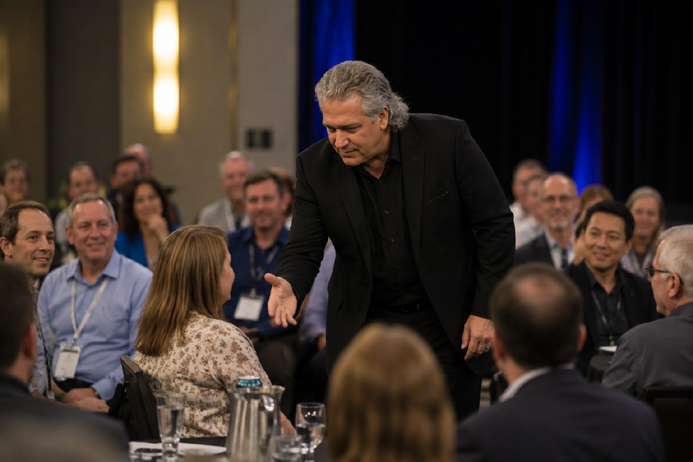
The audience never sees it coming. Hypnosis Show or Mentalism Show?
A mentalism show operates in a different register entirely. Where a hypnosis show is loud and participatory, mentalism is focused, precise, and built on a sense of genuine mystery. The performer demonstrates what appears to be mind reading, predicts events before they happen, and reveals information about audience members that no one can explain. The psychology of the audience becomes the material.
Mentalism can involve audience participation without requiring anyone to come on stage. A guest across the room thinks of a word, a number, or a memory, and the performer identifies it accurately. That moment lands differently than a stage volunteer laughing uncontrollably. It lands quietly, and that quiet is exactly what makes it powerful. The audience leaves the room genuinely unsure of what they just witnessed.
The term mentalism as a distinct performance category separate from stage magic began appearing regularly in American entertainment trade publications during the 1940s, though practitioners of the craft had been performing under various other labels for decades prior.
The Audience Makes The Difference
I have performed for college audiences who wanted nothing more than to watch their friends lose control on stage for forty-five minutes. I have also performed for rooms full of senior executives where the last thing anyone wanted was to be called up in front of their colleagues. The entertainment was not the variable. The audience was.
College audiences tend to respond enthusiastically to hypnosis shows. The social dynamic encourages participation, the room energy is high, and the comedy plays well across a wide age range. Corporate audiences, particularly those attending leadership conferences, executive dinners, or formal association banquets, often respond better to the controlled sophistication of a mentalism show. Associations and conference audiences fall somewhere in the middle, and the right choice depends heavily on the culture of the organization and what the planner is trying to accomplish with the evening.
I once had a conversation with a planner who had booked a hypnosis show for an executive retreat. We were two weeks out when she mentioned, almost in passing, that the audience would be forty senior partners at a regional law firm. We talked through it and agreed that mentalism was the better fit. The evening went well. She later told me that had we not had that conversation, the original program would have been a difficult night for everyone.
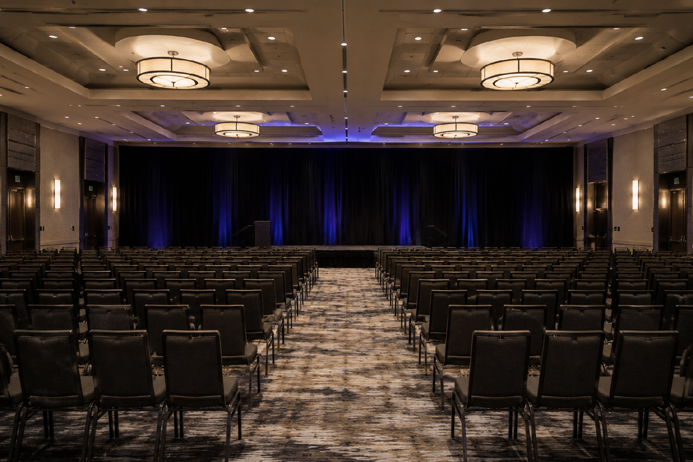
The room decides before the audience does. Hypnosis Show or Mentalism Show?
When A Hypnosis Show Is The Better Choice
A hypnosis show tends to work best when the audience is relaxed, socially connected, and open to being entertained in a high-energy, participatory format. The following types of events are generally well-suited to a hypnosis show.
Employee appreciation events and company holiday parties are natural fits. The audience knows each other, the atmosphere is informal, and watching a coworker on stage under hypnosis is exactly the kind of shared moment that builds culture and creates conversation. College activities programs have long used hypnosis shows for this same reason. The format has worked well in that environment for decades. Large social gatherings and community events also respond well, particularly when the goal is broad entertainment that appeals to a wide range of guests rather than a specific professional demographic.
Franz Anton Mesmer, the eighteenth century physician whose theories gave rise to the word mesmerism, never referred to his work as hypnosis. That term was introduced by Scottish surgeon James Braid in 1841 based on the Greek word for sleep.
When A Mentalism Show Is The Better Choice
A mentalism show performs best when the audience is sophisticated, the setting is formal, and the planner wants entertainment that feels intelligent and distinctive rather than comedic. Executive events and leadership conferences are among the strongest contexts for mentalism. The format respects the audience’s intelligence and delivers impact without requiring anyone to surrender their professional composure.
Fundraisers and association banquets also pair well with mentalism. The seated format, the formal atmosphere, and the desire to leave guests with something genuinely memorable all align with what a well-produced mentalism show delivers. I have performed mentalism at association meetings where guests came in skeptical and left asking questions they could not answer. That reaction is the goal, and it is one that mentalism is uniquely positioned to produce.
Can Both Be Presented At The Same Event?
This is a question I genuinely enjoy answering, because the honest answer is yes, and it is an option most planners do not realize is available.
What I present is a single combined program that opens with mentalism and moves naturally into hypnosis as the evening builds. It is not two separate shows placed back to back. It is one cohesive performance that shifts in tone and energy as the audience warms up.
The mentalism establishes the mystery early, creates genuine intrigue, and earns the audience’s attention. By the time the hypnosis segment begins, the room is already invested. The result is a show that delivers two distinct experiences without ever feeling like a change of direction.
Questions Event Planners Should Ask
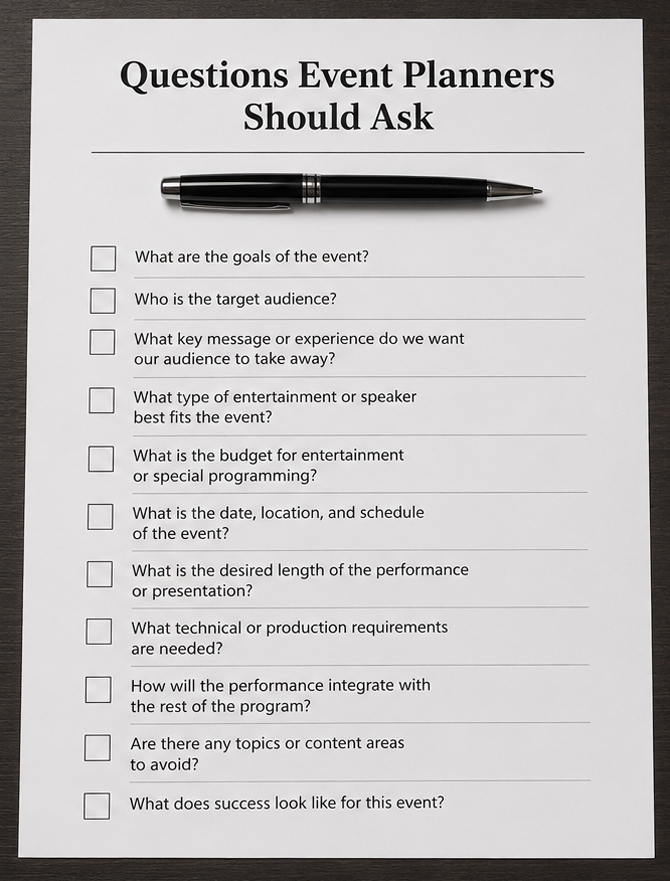
The right questions change everything. Hypnosis Show or Mentalism Show?
Before selecting between a hypnosis show or mentalism show, a few key questions can bring the right answer into focus quickly.
Who is the audience, and what is their age range and professional background? What does the venue setup look like, and is there a stage? What is the goal of the entertainment, and is the focus on laughter and energy or on sophistication and intrigue? How much time is available for the performance? How comfortable is this audience with participation, and is there an expectation that guests will remain seated throughout?
The answers to those questions will almost always point clearly toward one program or the other. When they do not, that is usually a sign that a conversation with the performer before booking will resolve the question faster than any checklist.
Selecting The Right Experience
There is no single correct answer when choosing between a hypnosis show or mentalism show. Both are legitimate, well-developed programs that have performed successfully for decades across every type of event. The distinction is not about quality. It is about fit.
The best choice depends on the audience in those chairs, the venue they are sitting in, the objectives the planner is trying to serve, and the atmosphere the event is meant to create. When those four elements are understood clearly, the right program usually becomes obvious. The goal is not to find the most impressive entertainment on paper. The goal is to find the entertainment that works for that specific group of people on that specific evening.
Conclusion
Both a hypnosis show and a mentalism show can produce experiences that guests carry with them long after the event concludes. The difference lies in which experience belongs in front of which audience. Event planners who take the time to understand that distinction, and who are willing to have an honest conversation about audience, venue, and goals before making a final decision, are the ones who end up with programs that genuinely land. That conversation is always worth having before the contract is signed.

Known as The Man Who Notices, Mike Lamp is a theatrical hypnotist and psychic performer with more than twenty years of live stage experience. His work emphasizes observation, psychological influence, and measured presentation rather than spectacle or provocation. Performances are tailored for adult audiences, private events, and professional settings where control, clarity, and atmosphere matter.