9
Jun
Booking Entertainment for Events: Costly Mistakes Smart Planners Avoid
The Biggest Mistakes Event Planners Make When Booking Entertainment
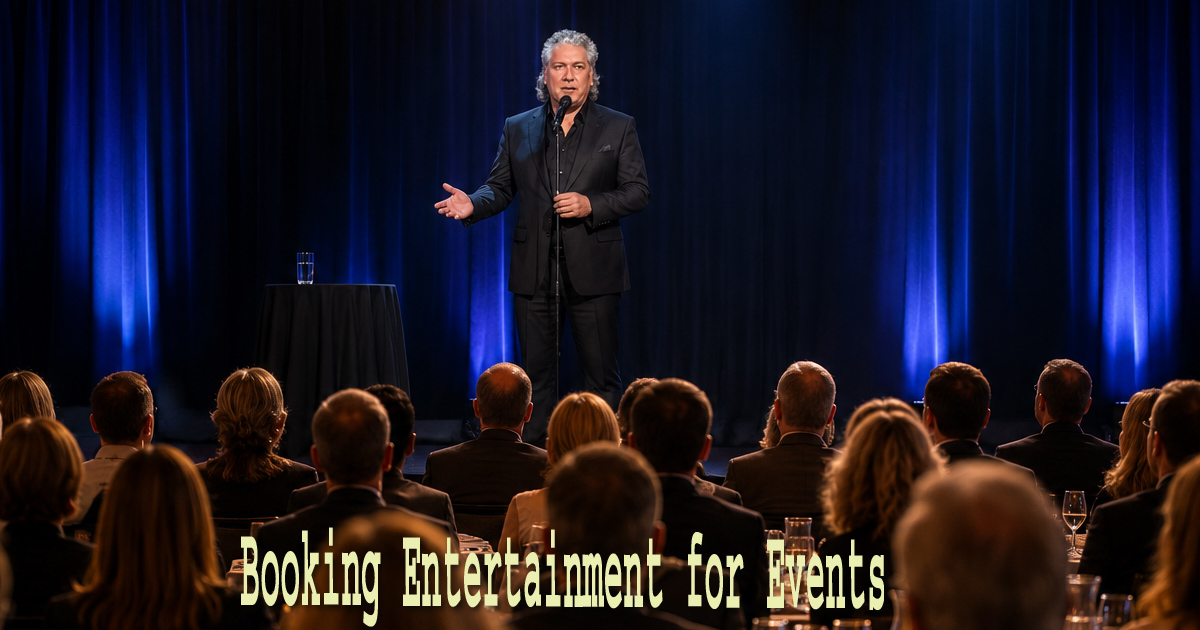
When booking entertainment for events the stage reveals every planning decision.
A successful event depends on many moving parts, but entertainment often becomes the moment guests remember most. I have spent more than two decades performing hypnosis and mentalism for corporate events, association meetings, theaters, and private engagements across the country. In that time, I have watched events succeed beautifully and I have watched them fall apart quietly, usually for reasons that were entirely avoidable. The mistakes are rarely dramatic. They tend to be small decisions made without enough information, and they tend to show up at the worst possible moment, which is in front of an audience.
Understanding a few of those mistakes can help event planners make better decisions, protect their reputation, and create an experience their guests will still be talking about long after the event ends.
Choosing Based On The Fee Alone
After decades of performing live entertainment across the country, one pattern stands out more than almost any other. A planner secures a lower budget for entertainment, books accordingly, and saves a few hundred dollars in the process. Then the night arrives. The performer struggles to read the room. The audience goes quiet in the wrong way. The program becomes the thing everyone remembers, and not for a good reason.
The fee attached to a performer is rarely just a number. It reflects years of stage experience, the ability to adapt when something unexpected happens, the professionalism that shows up in communication long before the event date, and the confidence that comes from having stood in front of hundreds of different audiences in hundreds of different rooms. When booking entertainment for events, the investment you make in the right performer is almost always returned in the experience your guests carry home. A lower fee can occasionally represent genuine value, but more often it reflects a gap in experience that your audience will feel even if they cannot name it.
The practice of hiring outside entertainers for private banquets dates to at least the medieval period in Europe, when traveling performers were contracted specifically for feasts hosted by nobility.
Waiting Too Long To Book

Booking entertainment for events waiting costs more than planners expect.
This is one of the quieter mistakes, and it costs planners more than they realize. Popular performers, particularly those working at a professional level in corporate entertainment and live entertainment, are often booked months in advance. Quality venues fill up. Preferred dates disappear. The further out you begin the process of booking entertainment for events, the more options you have and the more leverage you carry in that conversation.
I have received calls two weeks before an event from planners who needed someone immediately. Sometimes I could accommodate them. Sometimes I could not. Either way, a two-week window is not enough time to review materials thoughtfully, ask the right questions, or confirm that the performer is genuinely the right fit for the audience. Start earlier than you think you need to.
Not Matching Entertainment To The Audience
This is the mistake I find most interesting, because it is the one that requires the most honest thinking. A performance that works beautifully for a college audience may land poorly at a corporate banquet. What plays well at a holiday party may feel out of place at an association conference. Event entertainment is not a single category. It varies considerably in tone, content, format, and approach.
When I consult with planners about an upcoming engagement, one of the first things I want to understand is who is sitting in those chairs. Their age range, their professional background, the culture of the organization, and what they came to this event expecting. That information shapes everything. A performance built on audience participation works differently in a room of financial executives than it does in a room of educators, and a performer who cannot make that distinction is not yet ready for the room you are handing them.
The first known professional talent booking agencies in the United States appeared in the late 1800s, originally organized to route vaudeville acts between theaters along established circuits.
Ignoring The Importance Of Experience
Experience in live entertainment is not simply the number of years someone has been performing, though that matters. It is the product of rooms that did not go as planned. It is the sound system that failed ten minutes before showtime. It is the schedule that shifted unexpectedly, the audience that arrived louder and less settled than expected, the venue that turned out to be half the size described. Professional experience is what happens between the performances, and it is what separates someone who has refined their craft from someone who is still learning it on your stage.
When I think about what two decades of national stage work has actually taught me, very little of it happened during a smooth performance in a perfectly arranged room. Most of it happened in the difficult moments, and knowing how to move through those moments without the audience ever noticing is something that cannot be learned from a course or a manual.
Overlooking Audience Participation
The most memorable events I have been part of were not the ones with the largest production budgets or the most elaborate staging. They were the ones where the audience became part of the experience. Interactive entertainment creates something that passive entertainment cannot. It creates a shared moment, something specific to that group of people, on that evening, in that room. Guests do not simply watch it. They live it. They talk about it afterward because they were inside it.
For event planners, this is worth weighing carefully when booking entertainment for events. Ask whether the performer builds participation into the program or simply performs in front of the audience. The difference in guest experience is significant.
Failing To Consider Venue Requirements
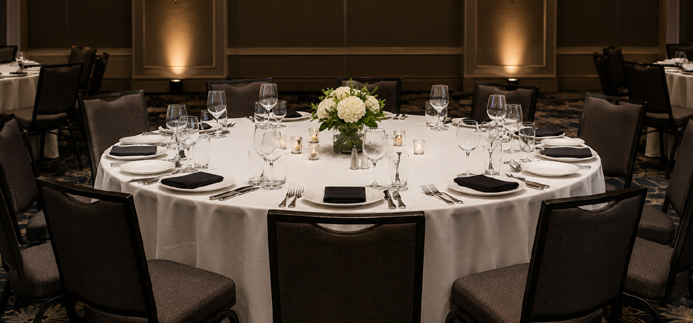
When booking entertainment for events the room shapes everything that follows.
A performance that works in one room does not automatically transfer to another. Sight lines matter. Ceiling height matters. The distance between the stage and the last row of seats matters. Sound reinforcement, lighting, and the physical layout of the audience all affect what an entertainer can do and how effectively they can do it.
Before finalizing any entertainment for events, planners should have a direct conversation with the performer about space. A professional will ask these questions themselves, but the planner should be prepared to answer them. Knowing the room in advance allows the performer to arrive prepared rather than improvising in ways the audience may quietly sense even if they cannot articulate why.
I once arrived at a venue where the stage described over the phone turned out to be eight feet wide and eight feet deep. That was the entire performance area. I had been booked to present a hypnosis show requiring fifteen volunteers on stage at once, and the room had never been measured before the agreement was signed. Nobody had asked. Details like that often do not reveal themselves until load-in, and by then the audience is already finding their seats. Fortunately, experience teaches you how to adapt, but it is always better to identify those challenges during the planning process rather than minutes before the show begins.
Not Asking The Right Questions

When booking entertainment for events the right questions prevent the worst surprises.
The conversation before a booking is where most problems either get solved or get delayed. Delayed problems tend to arrive on the day of the event. Before committing to any live entertainment, planners should understand the performer’s experience with similar audiences, their technical requirements, the structure and length of the performance, and how they handle scheduling changes or unexpected circumstances.
A performer who communicates clearly, responds professionally, and asks thoughtful questions in return is demonstrating something important. They are showing you how they will handle everything else.
Creating A Memorable Event Experience
Memorable event entertainment is rarely accidental. It is the result of a planner who started early, asked good questions, matched the performer to the audience, and understood that the experience their guests have is a direct reflection of the decisions made weeks or months before anyone arrived at the venue.
After performing across the country for more than twenty years, I can say with some certainty that the events that go well are the ones where someone put genuine thought into each of these decisions. Not perfection. Thought. That is usually enough.
Conclusion
Whether you are organizing a corporate banquet, an association conference, a theater event, or a private engagement, the entertainment you select carries more weight than it might appear to on a planning checklist. By avoiding the most common mistakes in booking entertainment for events, and by taking the audience experience seriously from the very beginning, event planners give themselves the best possible chance of creating something their guests will remember long after the evening ends. That is, after all, the point.

Known as The Man Who Notices, Mike Lamp is a theatrical hypnotist and psychic performer with more than twenty years of live stage experience. His work emphasizes observation, psychological influence, and measured presentation rather than spectacle or provocation. Performances are tailored for adult audiences, private events, and professional settings where control, clarity, and atmosphere matter.