|
Corporate Event Planning Guide 6 Tips for Planning a Corporate Event in New Orleans |
|
New Orleans occupies a unique position in the corporate event landscape. It is one of the most visited convention cities in the country, drawing hundreds of thousands of meeting and conference attendees every year, yet it operates with a rhythm and a set of cultural expectations that no other American city shares. Organizations choose New Orleans because the city itself becomes part of the experience. The food, the music, the architecture, and the atmosphere do work that no generic conference venue ever could. That same distinctiveness creates planning considerations that catch first-time New Orleans planners off guard. This guide covers six things that consistently determine whether a corporate event here lands well or runs into avoidable problems. Venue selection. Business culture. Logistics. Hidden costs. Entertainment. And how to make the event feel genuinely like New Orleans rather than a missed opportunity in one of the world’s great cities. |
|
|
Venue Selection Choose a Venue That Does More Than Look GoodThe Ernest N. Morial Convention Center sits along the Mississippi River just outside the French Quarter and remains one of the largest convention facilities in the United States. For citywide conferences and trade shows drawing thousands of attendees, it provides the infrastructure and exhibit floor space that few venues in the South can match. Its riverfront location also connects naturally to the energy of the surrounding city in a way that convention centers in more isolated settings cannot. For smaller and mid-sized events, New Orleans offers venue options that are genuinely unlike anywhere else in the country. Historic properties like Antoine’s Restaurant, which has been operating since 1840, offer private dining rooms that carry more than a century of New Orleans history. Warehouse District loft spaces, restored French Quarter courtyards, and Garden District mansions available for private events each offer an atmosphere no hotel ballroom can replicate. Proximity to the French Quarter is a genuine planning variable. Venues within walking distance of Bourbon Street give attendees easy access to the city after hours, which many groups consider a benefit. It also means your event competes with the street itself for attention once the program ends. Think carefully about how close you want to be based on the nature of your group. Verify air conditioning capacity for any historic venue. New Orleans heat and humidity are real factors from April through October, and older buildings vary considerably in how well they manage large groups in warm weather. |
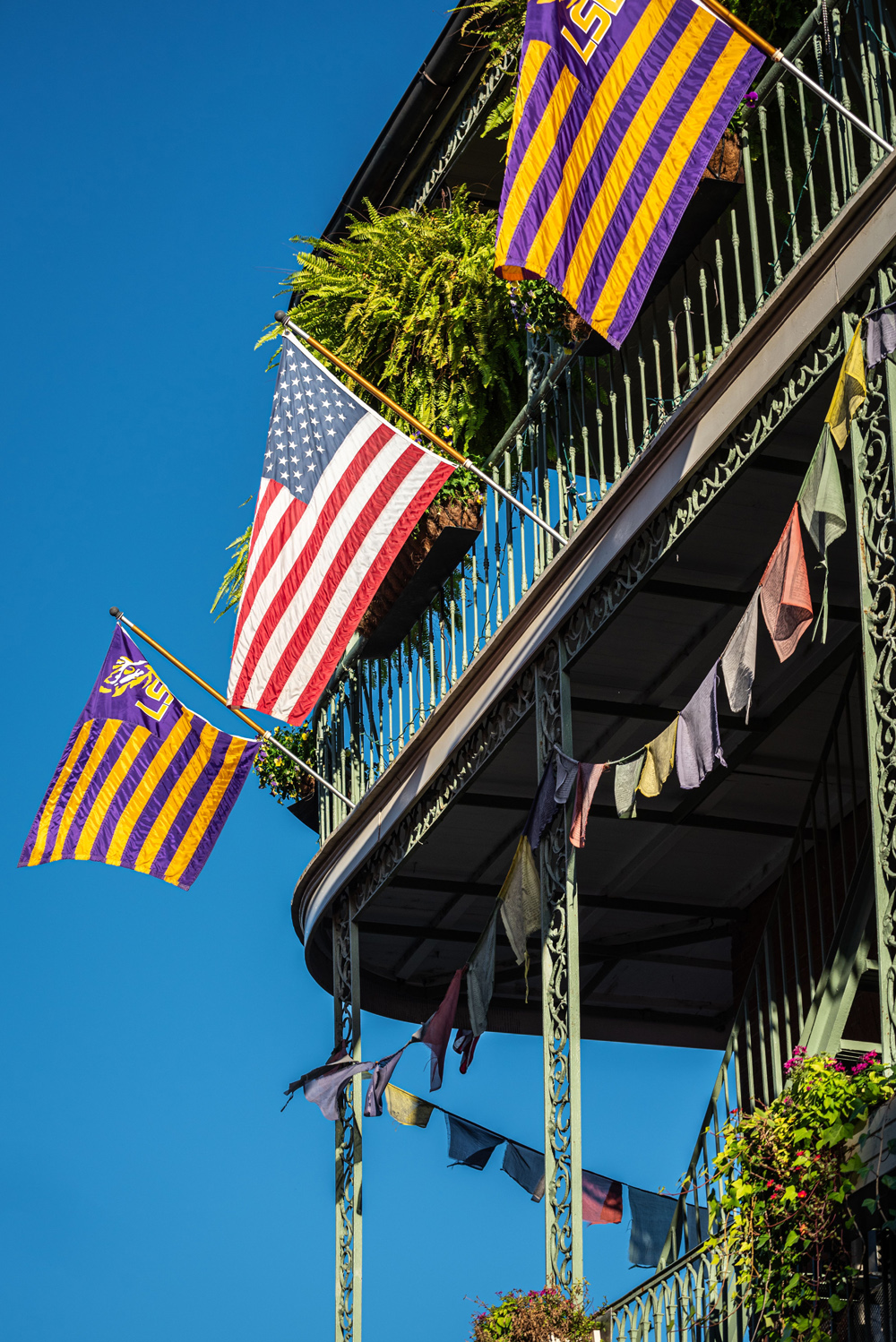
New Orleans corporate event venues range from the Ernest N. Morial Convention Center to restored courtyards and historic properties unlike anywhere else in the country. |
|
Business Culture New Orleans Business Culture At A Glance
Before finalizing your agenda, ask yourself one honest question. Are you using New Orleans as a reason for people to attend, or are you asking them to ignore it for three days while they sit in a ballroom? |
|
Logistics Logistics Matter More Than Most People RealizeLouis Armstrong New Orleans International Airport sits roughly thirty minutes from the French Quarter and the convention center under normal traffic conditions. The drive is straightforward, but New Orleans is a city where traffic can shift quickly around events, festivals, and the general congestion of the tourist corridor. Build arrival windows that account for variability, particularly for groups arriving on event day rather than the day before. The French Quarter is not accessible to large vehicles and charter buses in the same way that open convention corridors are. Loading, setup, and vendor access in and around the Quarter require advance coordination with the venue. Do not assume that equipment or entertainment production can arrive the same way it would at a downtown hotel with a standard loading dock. Ask specifically about access routes and restrictions before the contract is signed. Heat and humidity are operational realities from spring through fall. Events with outdoor components between April and October require serious climate planning. This is not a footnote. A humid ninety-degree evening in the French Quarter can turn an elegant outdoor reception into an uncomfortable endurance test within thirty minutes if there is no cooling solution in place. Check the city’s event calendar before finalizing your dates. New Orleans hosts a remarkable volume of festivals, conventions, and cultural events throughout the year. Scheduling during a major overlap like Jazz Fest or a large citywide convention can affect hotel availability, transportation, restaurant reservations, and the general capacity of the city to absorb your group comfortably. |
|
|
Hidden Costs Understand the Costs Before You CommitNew Orleans events carry a specific set of costs that do not always appear in early proposals. The city’s hospitality culture, festival calendar, and historic venue inventory each create budget variables that planners new to this market routinely underestimate. These three categories represent where New Orleans event budgets most commonly run over. |
|
|
|
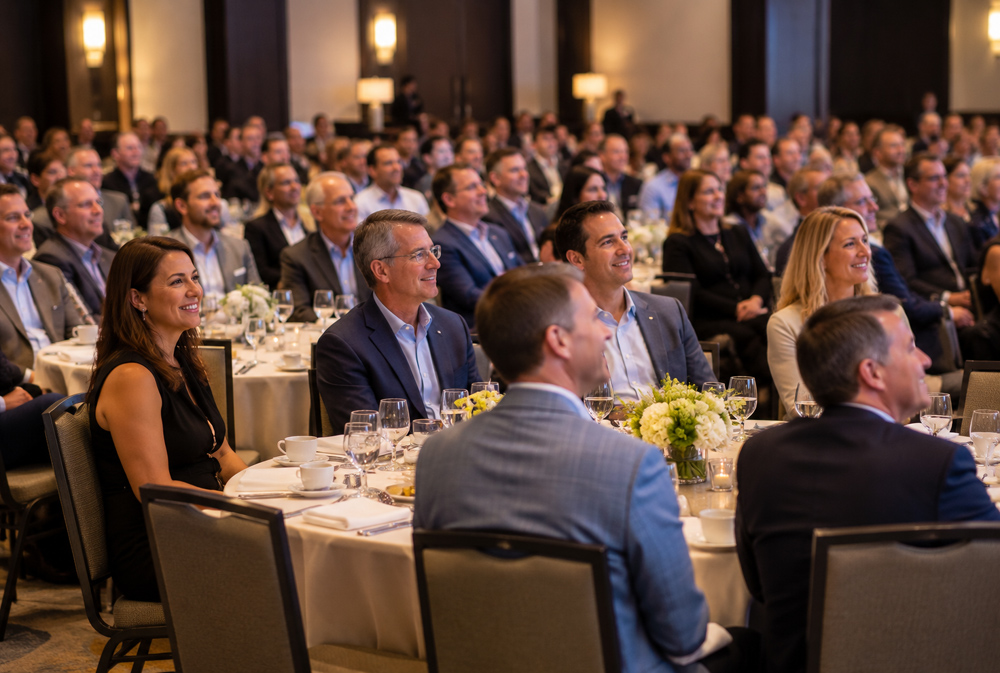
Corporate audience, New Orleans |
Entertainment Choose Entertainment That Fits the AudienceCorporate entertainment is often selected near the end of the planning process, yet it frequently becomes one of the most memorable parts of the evening. New Orleans presents a specific entertainment planning challenge. The city is one of the most musically and culturally rich places in the world. Any entertainment selection exists in direct comparison to what is happening on Bourbon Street or in the clubs a few blocks away. Entertainment that feels routine in this city feels more routine than it would anywhere else. Corporate audiences in New Orleans tend to be national groups drawn to the city specifically because of its energy and character. They arrive expecting something they could not have gotten in a conference hotel in Columbus or Charlotte. Entertainment that matches that expectation, that is sharp, engaging, and deliberately selected for this room rather than pulled from a default list, earns a response that planners remember. Entertainment that feels like it was booked because something needed to fill the dinner slot earns a different response entirely.
The goal is not simply to fill time on the agenda. The goal is to create an experience that supports the atmosphere you want your guests to remember. |
 |
|
The City Itself Make the Event Feel Like New OrleansThe most common mistake planners make in New Orleans is booking the city and then designing an event that has nothing to do with it. Attendees who traveled to one of the most culturally distinct cities in the world do not want to spend three days in a windowless ballroom eating chicken with cream sauce. The city is the asset. Use it. Host a welcome reception at a restored French Quarter courtyard with live brass band music and local cuisine from the city’s Creole and Cajun traditions. Arrange a private dinner at a restaurant that has been feeding New Orleans for generations. Take your group to French Quarter for a curated evening of live music in the clubs that locals actually frequent. Commission a second line parade to open your closing night event. These are not decorations added to a generic agenda. They are the agenda. New Orleans rewards planners who treat the city as a creative partner rather than a convenient backdrop. |
|
Final Thoughts Successful Events Here Rarely Happen by AccidentSix things determine whether planning a corporate event in New Orleans succeeds. The right venue creates an atmosphere that no other American city can replicate. Understanding the local business culture, built on hospitality, relationships, and genuine civic pride, shapes a program that earns the room’s trust. Attention to logistics prevents the vehicle access issues, festival calendar conflicts, and heat management failures that catch first-time New Orleans planners off guard. Knowing the hidden costs before you commit protects the budget from elevated F&B expectations, peak date hotel premiums, and climate management expenses that do not appear in initial proposals. Entertainment selected for this audience and this city rather than defaulted from a catalog holds a room that can walk out the door and find world-class alternatives within two blocks. And making the event feel genuinely like New Orleans transforms a corporate gathering into something attendees will still be talking about when they get home. New Orleans does not offer a neutral backdrop. It offers a city with more character than any event program can fully contain. Planners who work with that character rather than around it produce events that stand apart from everything else on the calendar. |
|
Planning Entertainment in New Orleans |
||||||||
|
|
Discussing Your New Orleans Event Program options and availability are discussed directly.New Orleans books quickly around Jazz Fest, major convention weeks, and the fall conference season. Events that reach out early have the most flexibility in programming and scheduling. |