|
Corporate Event Planning Guide 6 Tips for Planning a Corporate Event in Chicago |
|
Chicago is one of the most substantial corporate event markets in the country. It is a city built on industry, trade, and commerce, and that foundation shows in how organizations gather here. Finance, manufacturing, healthcare, technology, and professional services all maintain deep roots in the Chicago metro. The city draws national conferences, regional summits, incentive programs, and association meetings year-round, supported by infrastructure that few American cities can match. Chicago also has specific logistical and cultural dynamics that reward planners who understand them and penalize those who do not. This guide covers six things that consistently determine whether a Chicago corporate event succeeds. Venue selection. Business culture. Logistics. Hidden costs. Entertainment. And how to make the event feel like Chicago rather than a generic gathering that could have happened anywhere. |
|
|
Venue Selection Choose a Venue That Does More Than Look GoodChicago’s venue landscape spans everything from converted industrial lofts in the West Loop to grand ballrooms in landmark downtown hotels. For large-scale conferences and trade shows, the McCormick Place Convention Center is the largest convention facility in North America and handles events at a scale very few cities can accommodate. Its campus includes four interconnected buildings and direct hotel access, which simplifies logistics for events with several thousand attendees. For smaller or more intimate corporate events, venues like The Lyric Opera of Chicago bring a level of architectural grandeur that hotel ballrooms rarely match. The building’s art deco interior creates an atmosphere that guests notice immediately and remember long after the event ends. Neighborhood matters in Chicago. The Loop, River North, and the Near North Side all offer strong venue inventory with good transit access. Events in the suburbs or further from the city center create transportation challenges that require active management, particularly for attendees flying in through O’Hare or Midway. Assess loading dock access, freight elevator capacity, and union labor requirements before committing to any venue. These are not secondary concerns in Chicago. They are primary budget and timeline factors. |
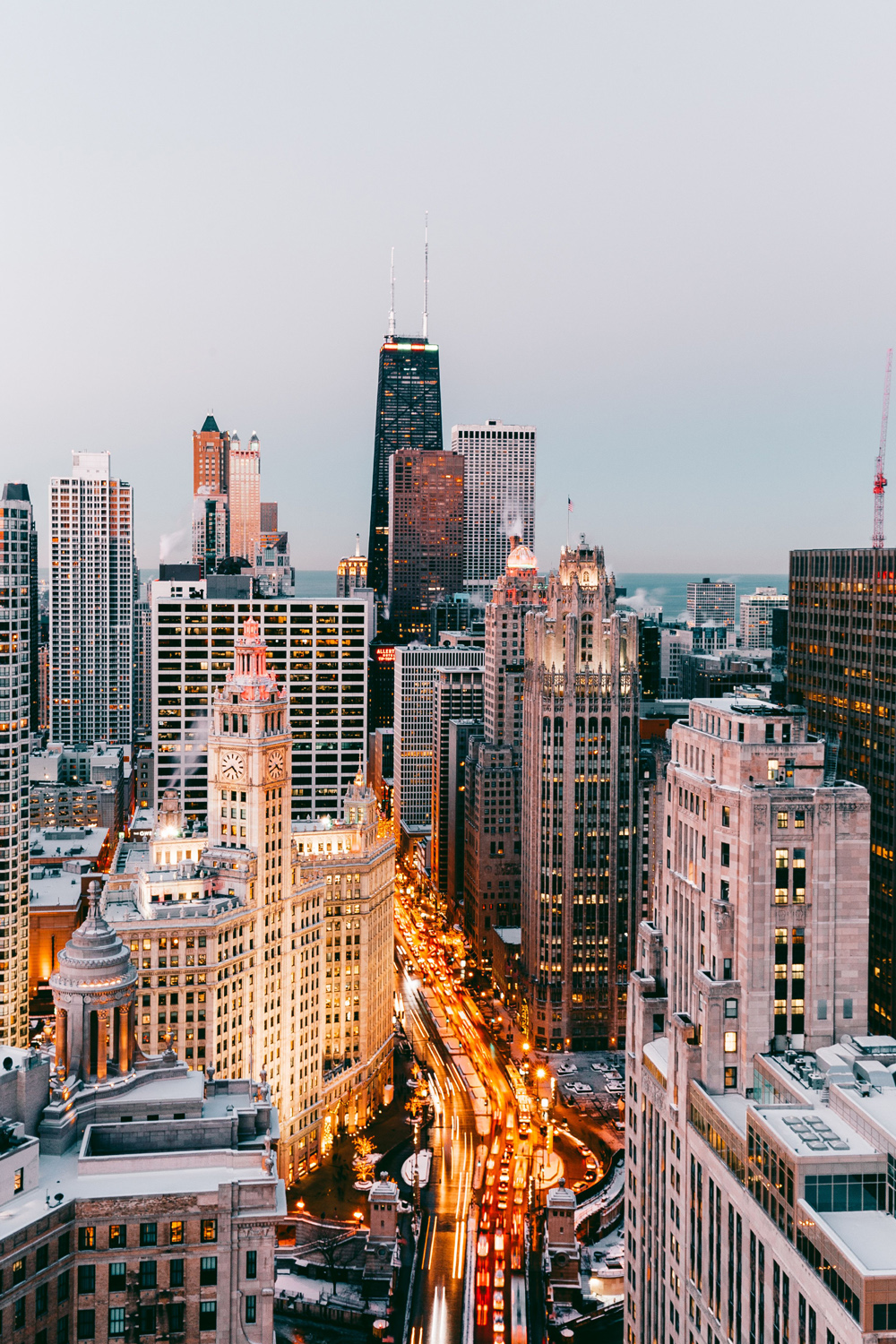
Chicago’s downtown venue corridor offers corporate event spaces ranging from landmark ballrooms to modern riverfront facilities. |
|
Business Culture Chicago Business Culture At A Glance
Before finalizing your agenda, ask yourself one direct question. Does this program reflect the city your attendees came from, or does it read like something assembled in a conference room somewhere else entirely? |
|
Logistics Logistics Matter More Than Most People RealizeO’Hare International Airport is one of the busiest airports in the world and sits roughly forty-five minutes from the Loop under normal conditions. During peak travel hours or weather delays, that number climbs significantly. For events drawing attendees from multiple cities, building a realistic airport-to-venue window into the schedule is not optional. It is the difference between a smooth opening session and a half-empty room at start time. Chicago weather is a genuine logistical variable, not a talking point. Events scheduled between November and March need contingency plans for travel disruption. This means communication protocols for attendees, flexible check-in windows, and vendors who understand that weather-related delays are a real possibility, not an excuse. Union labor requirements at McCormick Place and many major downtown hotels are specific and non-negotiable. Electricians, riggers, and AV technicians must be cleared through the venue’s labor agreements. Independent contractors who do not meet those requirements will not be permitted to work. Confirm every vendor’s compliance before finalizing contracts. Chicago’s public transit system, the CTA, provides useful connectivity between the Loop, River North, and major hotel corridors. For groups staying downtown, it is a viable option. For groups spread across multiple hotel properties or suburban locations, chartered transportation with confirmed pickup times is the more reliable choice. |
|
|
Hidden Costs Understand the Costs Before You CommitChicago events carry cost structures that routinely surprise planners who have budgeted in other markets. The venue rate is the starting point, not the finish line. These three categories represent where Chicago event budgets most commonly run over. |
|
|
|
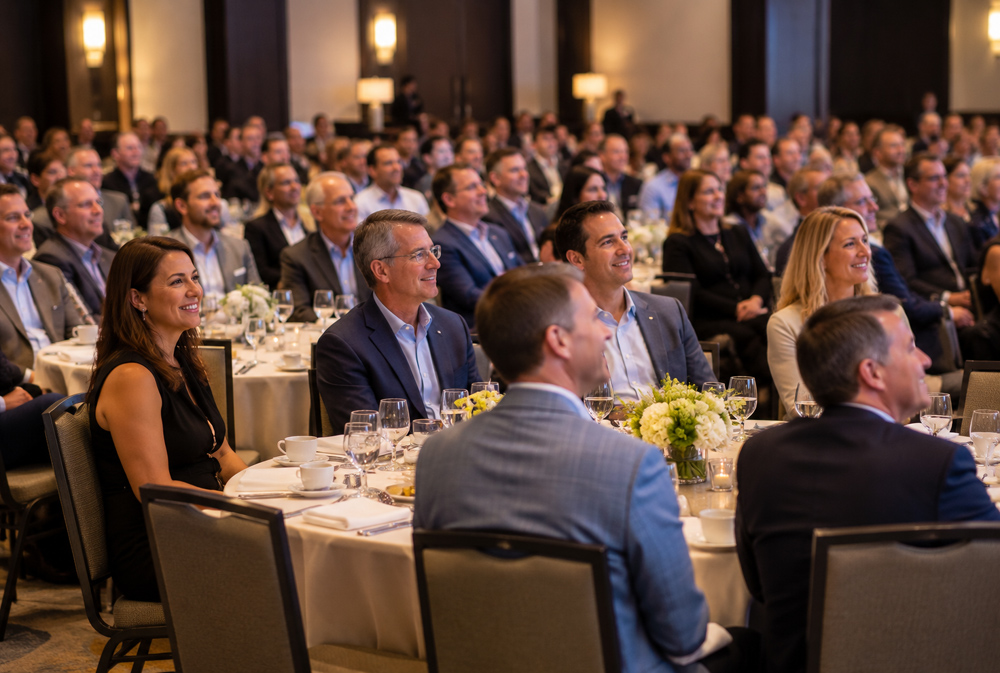
Corporate audience, Chicago |
Entertainment Choose Entertainment That Fits the AudienceCorporate entertainment is often selected near the end of the planning process, yet it frequently becomes one of the most memorable parts of the evening. Chicago has a deep performing arts culture. The city that gave the world improvisational comedy, world-class blues, and a theater scene that feeds Broadway is not an unsophisticated audience. Corporate entertainment that feels phoned in will register with this crowd immediately. Programming that is genuinely sharp and well-executed will earn something harder to manufacture: a room that is actually paying attention. Chicago corporate audiences tend to be practical and collegial. They respond well to entertainment that is smart without being self-congratulatory, energetic without being exhausting, and specific enough to feel chosen for them rather than pulled from a general catalog. The variety of industries represented in a typical Chicago room means entertainment with broad, human appeal consistently outperforms anything with a narrow demographic target.
The goal is not simply to fill time on the agenda. The goal is to create an experience that supports the atmosphere you want your guests to remember. |
 |
|
The City Itself Make the Event Feel Like ChicagoChicago has one of the strongest civic identities of any American city, and events that ignore it leave something significant on the table. A generic hotel ballroom setup with no connection to the city tells attendees that the location was incidental. That is a missed opportunity in a city with this much to offer. Open receptions on the Chicago Riverwalk create an experience that no ballroom can replicate. A private architecture cruise along the river gives attendees a view of the city that even longtime Chicagoans find memorable. Source food from the city’s deep restaurant culture, from the steakhouses of the Gold Coast to the James Beard-recognized kitchens that have made Chicago one of the country’s most respected dining cities. End the evening in a venue with a skyline view, at a rooftop in the West Loop or a private event space above Michigan Avenue, and the city becomes part of the program rather than just the address on the invitation. |
|
Final Thoughts Successful Events Here Rarely Happen by AccidentSix things determine whether planning a corporate event in Chicago succeeds. The right venue creates the operational and atmospheric foundation. Understanding the local business culture shapes a program that earns credibility with a discerning room. Attention to logistics prevents the weather, transit, and labor complications that are specific to this market. Knowing the hidden costs before you commit protects the budget from union labor rates, hotel destination fees, and weather contingency expenses that do not appear in initial proposals. Entertainment chosen for a Chicago audience rather than a generic one holds a room that knows the difference. And making the event feel like Chicago rather than an anonymous gathering gives attendees a reason to remember it. Chicago is a city that takes its events seriously. Planners who match that standard will find it one of the most rewarding markets in the country to work in. |
|
Planning Entertainment in Chicago |
||||||||
|
|
Discussing Your Chicago Event Program options and availability are discussed directly.Chicago’s busiest corporate event windows run from September through November and again in the spring. Popular dates fill several months in advance. Reaching out early gives you the widest range of options. |